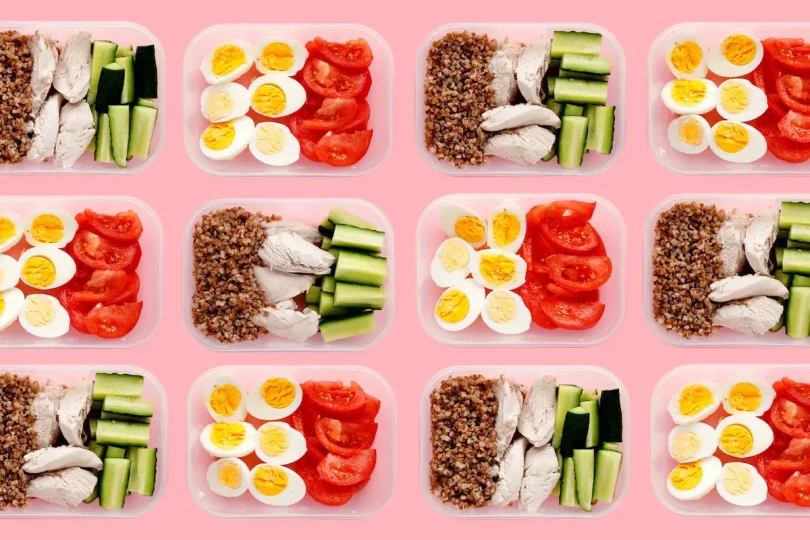

Imagine opening your fridge and finding all your meals ready to go—no stress, no last-minute cooking, no “what should I eat tonight?” panic.
That’s the beauty of meal prepping. Once you learn how to meal prep for a whole week, you’ll save time, eat healthier, and feel more organized.
The best part? It’s easier than you think. Let’s walk through the process step by step.
Step 1: Plan Your Meals Ahead of Time
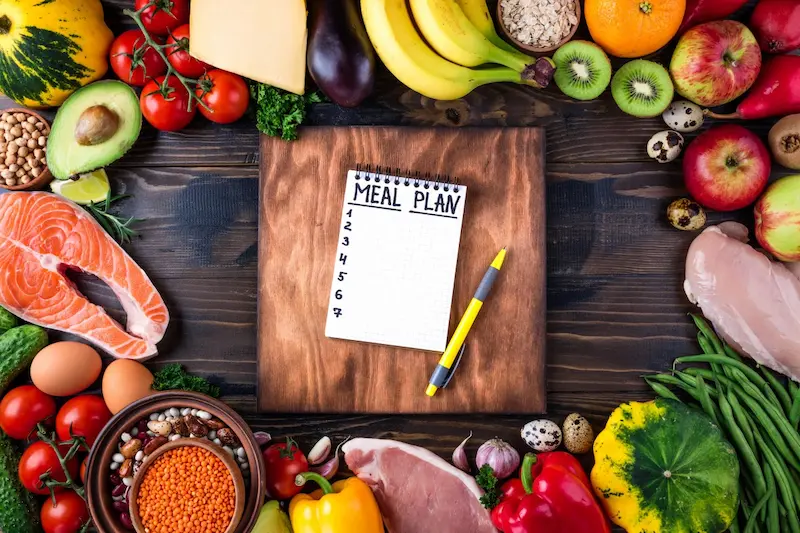
Planning is the foundation of meal prep. Without it, you’ll end up cooking randomly and wasting food. Take 15–20 minutes before grocery shopping to decide what you’ll eat for the week.
👉 Tips for planning meals:
- Choose 2–3 breakfast options, like overnight oats, boiled eggs with fruit, or smoothies.
- Pick 2–3 lunch and dinner recipes that share ingredients (e.g., chicken can be used in salads, wraps, and stir-fries).
- Add healthy snacks, like hummus with veggies, Greek yogurt, or nuts.
Example weekly plan:
- Breakfast: Overnight oats, veggie omelet.
- Lunch: Chicken quinoa bowls, turkey wraps.
- Dinner: Salmon with roasted veggies, veggie stir-fry.
- Snacks: Apple slices with peanut butter, trail mix.
Step 2: Create a Smart Grocery List
Once your meals are planned, list every ingredient you need. A list keeps you focused at the store and saves money by preventing impulse buys.
👉 Pro Tip: Organize your grocery list into categories:
- Proteins: Chicken, salmon, eggs, chickpeas.
- Carbs: Rice, quinoa, oats, sweet potatoes.
- Veggies: Broccoli, spinach, peppers, carros.
- Fruits: Blueberries, oranges, bananas.
- Extras: Olive oil, spices, sauces.
This way, shopping becomes faster and more efficient.
You may also like to read it:
Why Fiber Is Important in Diet | Health Benefits & Foods
Daily Nutrition Tips for Energy Boost – A Complete Guide
What Are the Best Foods for Glowing Skin | Top 10 List
How to Get Enough Protein Without Meat | Easy Guide
Step 3: Pick a Prep Day and Time
Choose one day of the week to prep—Sunday is most common, but it depends on your schedule. Block out 2–3 hours. Think of it as a short investment of time that pays off all week long.
👉 Hack: Put on your favorite playlist or podcast while prepping to make it fun.
Step 4: Batch Cook Your Meals

Batch cooking is the key to prepping for the whole week. Instead of making individual meals one by one, cook large amounts of staple foods.
- Proteins: Grill a batch of chicken, bake salmon, or cook beans.
- Carbs: Cook a big pot of rice, quinoa, or sweet potatoes.
- Veggies: Roast trays of broccoli, zucchini, carrots, and peppers.
Once you have these basics, you can mix and match them into different meals during the week.
👉 Example:
- Grilled chicken + quinoa + broccoli = healthy lunch bowl.
- Same chicken + wraps + veggies = quick dinner wrap.
- Leftover quinoa + roasted veggies + eggs = breakfast stir-fry.
Step 5: Use the Right Containers
Containers are the secret to staying organized. Invest in reusable, airtight, portion-sized containers. Glass containers are best because they last longer, keep food fresher, and are microwave-safe.
👉 Types to keep on hand:
- Single-serving containers (for lunches).
- Larger containers (for bulk food storage).
- Small jars or bags (for snacks).
Step 6: Store and Rotate Meals Properly
How you store meals determines how long they last.
- Fridge: Store meals for the first 3–4 days.
- Freezer: Freeze meals for later in the week to keep them fresh.
- Labels: Write the date on each container so you know what to eat first.
👉 Rule of thumb: Eat fridge meals early in the week and freezer meals later.
Step 7: Add Variety to Avoid Boredom
One of the biggest complaints about meal prep is eating the same thing every day. The solution? Mix up flavors without cooking extra.
👉 Ideas to keep meals exciting:
- Change sauces (BBQ, teriyaki, garlic herb).
- Use different seasonings (Italian, Mexican, Asian).
- Swap side dishes (rice one day, quinoa the next).
This way, you’re eating similar ingredients but enjoying different flavors.
Step 8: Stick to the Routine
Meal prep gets easier every week. The first time might feel overwhelming, but once you develop a routine, it becomes second nature.
👉 Start small: Prep just lunches for the week, then expand to dinners once you’re comfortable.
Benefits of Meal Prepping for a Whole Week
- Saves time: No more cooking every day after work.
- Saves money: Fewer takeout orders and wasted groceries.
- Supports healthy eating: You’ll have nutritious meals ready to go.
- Reduces stress: No more “what’s for dinner?” moments.
Final Thoughts
Learning how to meal prep for a whole week is one of the simplest ways to take control of your health and your schedule. It doesn’t mean eating boring food—it means being smart about planning, cooking in batches, and making your life easier.
Start with just one or two meals, build a routine, and you’ll quickly see how meal prepping transforms not only your week but your overall lifestyle.
FAQs
Q1. How do I start meal prepping for a whole week as a beginner?
Start small—choose 2–3 meals you want to prep. Pick simple recipes, make a shopping list, and prep ingredients in advance. Once you feel confident, expand to more meals.
Q2. What foods are best for meal prepping a whole week?
Foods that stay fresh for days are best, such as grilled chicken, rice, pasta, quinoa, beans, roasted vegetables, and oats. Avoid items that get soggy quickly.
Q3. How long do prepped meals last in the fridge?
Most cooked meals last 3–4 days in the fridge. To make food last a full week, store half in the fridge and freeze the rest.
Q4. How can I keep meal prepped food from getting boring?
Add variety with different sauces, seasonings, and sides. For example, one batch of chicken can be used in wraps, salads, or rice bowls with unique flavors each day.
Q5. Do I need special containers for meal prepping?
Yes, airtight containers (preferably glass or BPA-free plastic) help food stay fresh longer. Divided containers are great for portion control.