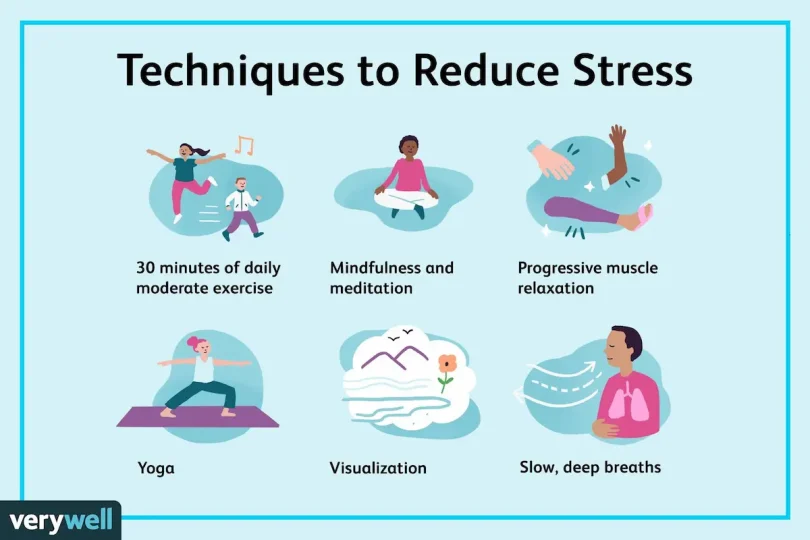

Stress touches everyone. Whether it’s deadlines at work, balancing family life, or dealing with unexpected challenges, stress often creeps in and disrupts your peace of mind. While a little stress can sometimes push us to perform better, too much of it can drain our energy, impact sleep, and even affect long-term health.
The good news? Stress doesn’t have to control your life. By weaving small, healthy practices into your daily routine, you can build resilience, reduce tension, and feel more balanced. Here’s a detailed guide with daily wellness tips to reduce stress—simple steps you can actually start today.
1. Begin Your Morning with Intention
The way you start your day often sets the tone for everything that follows. Instead of waking up to an alarm and immediately grabbing your phone, give yourself a calm, mindful beginning.
- Try deep breathing: Take five slow breaths to calm your nervous system.
- Stretch or do yoga: Gentle stretches release overnight tension.
- Set intentions: Think about one positive goal for the day—it could be as simple as staying calm during a busy meeting.
This mindful start helps you feel more grounded and reduces the rush that often leads to stress.
2. Move Your Body (But Make It Enjoyable)
Exercise is one of the best natural stress relievers. It reduces stress hormones and increases endorphins—the feel-good chemicals in your brain. But here’s the secret: it doesn’t have to be hardcore workouts.
- Take a brisk walk in nature.
- Try a short yoga flow or stretching routine.
- Put on your favorite music and dance around your living room.
The key is consistency. Even 20–30 minutes a day can significantly improve mood and help you manage stress better.
3. Stay Hydrated for Energy and Focus
Dehydration is often overlooked, but it can increase fatigue, irritability, and even anxiety. Stress already drains your body, and not having enough fluids only makes things worse.
- Keep a reusable water bottle nearby.
- Aim for at least 6–8 glasses of water daily.
- Add lemon, cucumber, or mint if you need flavor.
Staying hydrated keeps your body balanced and your mind sharper, reducing unnecessary stress.
4. Eat Foods That Support Your Body
Food doesn’t just fuel you—it impacts how you feel. When stressed, many people turn to sugary snacks, caffeine, or processed food. Unfortunately, these cause energy spikes and crashes that make stress worse.
Instead, focus on foods that stabilize your mood:
- Fruits and vegetables for vitamins and antioxidants.
- Whole grains for steady energy.
- Nuts and seeds for healthy fats.
- Lean proteins to keep you full and focused.
💡 Small change idea: Swap your afternoon coffee for herbal tea to relax your body.
You may also like it:
How to Meal Prep for a Whole Week | Best Guide for Beginners
What is The Best Meal Plan for Weight Loss? Easy Guide
Top Wellness Trends Everyone Follows in 2025
Best Wellness Practices for Busy People | Simple Daily Tips
5. Practice Mindfulness Throughout the Day

Mindfulness simply means paying attention to the present moment. It helps you slow down and stop your mind from running in circles about the past or future.
- Take mindful breaks: Pause for a few minutes, breathe deeply, and notice your surroundings.
- Try meditation apps like Calm or Headspace.
- Journal your thoughts: Writing things down can reduce mental clutter.
Even 5–10 minutes of mindfulness each day can lower anxiety and improve focus.
6. Take Short, Regular Breaks
Working non-stop might feel productive, but it quickly leads to burnout. Short breaks refresh your mind and prevent stress from building up.
- Step outside for fresh air.
- Do a few stretches at your desk.
- Close your eyes and take three deep breaths.
Think of these mini-pauses as “reset buttons” throughout your day.
7. Connect with People You Trust
Isolation makes stress worse, while connection eases it. Talking to a friend, family member, or even a supportive colleague can make a huge difference.
- Share your feelings honestly—don’t bottle things up.
- Make time for social activities, even small ones.
- Laugh more—laughter really is medicine for stress.
Human connection reminds you that you’re not alone in what you’re going through.
8. Create a Peaceful Evening Routine
How you wind down at night affects how you feel tomorrow. Instead of working late or scrolling endlessly on your phone, build an evening ritual that tells your body it’s time to relax.
Ideas for a calming routine:
- Take a warm shower or bath.
- Do light yoga or stretching.
- Sip herbal tea like chamomile.
- Read a book or listen to soothing music.
Consistency matters—your body learns to associate these habits with relaxation.
9. Prioritize Quality Sleep
Sleep is one of the most powerful tools against stress. Without enough rest, even small problems can feel overwhelming.
Tips for better sleep:
- Aim for 7–9 hours nightly.
- Keep a consistent bedtime and wake-up time.
- Avoid screens at least 30 minutes before bed.
- Keep your bedroom cool, dark, and quiet.
Quality sleep recharges your body and helps you handle challenges with a clearer mind.
10. Practice Daily Gratitude
Stress tends to make us focus on problems. Gratitude shifts that focus to what’s going well.
- Each evening, write down 3 things you’re thankful for.
- They can be small (a good meal, a kind text) or big (a promotion, support from family).
- Over time, this habit trains your brain to notice positivity more naturally.
Gratitude is a powerful stress reducer because it changes your perspective.
Final Thoughts
Stress is part of life—but it doesn’t have to control your life. By practicing these daily wellness tips to reduce stress, you’ll create a routine that keeps your body energized and your mind calm. The secret is consistency. Start small—pick just one or two tips—and build from there. Over time, these simple habits will help you feel stronger, happier, and more balanced.
Remember: wellness isn’t about perfection, it’s about progress. 🌿
FAQs About Daily Wellness Tips to Reduce Stress
Q1. What are the best daily wellness tips to reduce stress?
Some of the best tips include deep breathing, daily movement, eating balanced meals, practicing mindfulness, taking short breaks, and getting quality sleep.
Q2. How can I quickly reduce stress during a busy day?
Even simple actions like stepping outside for fresh air, doing 3–5 minutes of deep breathing, or stretching at your desk can lower stress levels almost instantly.
Q3. Can food really help reduce stress?
Yes! Eating nutrient-rich foods like fruits, vegetables, nuts, and whole grains stabilizes energy and helps regulate stress hormones. Avoid excess caffeine and processed sugar, as they can increase anxiety.
Q4. How does sleep impact stress levels?
Poor sleep makes stress worse by reducing your ability to cope with challenges. Getting 7–9 hours of restful sleep improves mood, focus, and resilience.
Q5. Is mindfulness effective for stress relief?
Absolutely. Mindfulness and meditation calm your nervous system, reduce overthinking, and help you stay present, which lowers daily stress significantly.