
Life today feels like a constant race. Work deadlines, family responsibilities, social commitments—your calendar fills up before you even have a chance to breathe. And in the middle of all this, wellness often slips to the bottom of the to-do list.
But here’s the secret: wellness doesn’t need hours of free time, expensive equipment, or a major lifestyle overhaul. In fact, the best wellness practices for busy people are simple, quick, and easy to weave into your day.
Let’s break down practical wellness strategies you can actually stick with, no matter how packed your schedule is.
1. Start Your Day with Hydration

Many people roll out of bed and immediately grab coffee. While caffeine gives you a boost, your body has just gone 6–8 hours without water. That first glass of water in the morning hydrates your body, boosts brain function, and kickstarts your metabolism.
Quick tip: Keep a bottle of water on your nightstand or desk so you don’t forget. Adding lemon or cucumber slices can make it refreshing and help digestion.
2. Prioritize Movement, Not Perfection
The idea of “exercise” can feel overwhelming when you’re already busy. But you don’t need to block out an hour for the gym every day. What matters is staying active in small, consistent ways.
- Take the stairs instead of the elevator.
- Walk while making phone calls.
- Do 5 minutes of stretching between meetings.
- Try a quick home workout video instead of scrolling on your phone.
These mini-movements keep your muscles active, improve circulation, and reduce stress—all without eating into your schedule.
3. Smart Meal Prep and Healthy Snacking
Food is fuel, but when you’re busy, fast food or vending machine snacks can feel like the only option. That’s where meal prepping becomes a lifesaver.
- Set aside one to two hours on the weekend to prep meals.
- Cook in bulk (like grilled chicken, brown rice, or roasted veggies).
- Keep grab-and-go snacks handy: nuts, boiled eggs, fruit, yogurt cups.
Even prepping just breakfast or lunch for a few days can save time, money, and stress during the week.
4. Practice Mindful Breathing and Stress Breaks
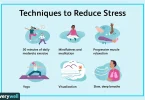
When deadlines are piling up, your stress levels rise without you realizing it. Taking even 60 seconds to reset your mind can change how you handle the rest of your day.
Try this 4-7-8 breathing exercise:
- Inhale through your nose for 4 seconds.
- Hold your breath for 7 seconds.
- Exhale slowly through your mouth for 8 seconds.
This calms your nervous system, lowers anxiety, and sharpens focus.
You may also like it:
What Are the Best Foods for Glowing Skin | Top 10 List
How to Get Enough Protein Without Meat | Easy Guide
How to Meal Prep for a Whole Week | Best Guide for Beginners
What is The Best Meal Plan for Weight Loss? Easy Guide
5. Protect and Value Your Sleep

Sleep is the foundation of wellness, but it’s often the first thing busy people sacrifice. Skipping rest leads to fatigue, poor concentration, mood swings, and even weight gain.
How to improve sleep even if you’re short on time:
- Go to bed and wake up at the same time every day.
- Avoid screens at least 30 minutes before bed.
- Create a relaxing routine—dim lights, read, or listen to calming music.
Even small improvements in your sleep routine make your days more productive and balanced.
6. Fuel Your Mind with Gratitude
Wellness isn’t just about your body—it’s also about your mindset. Practicing gratitude takes less than 2 minutes but has long-term effects on stress reduction and happiness.
Easy ways to practice gratitude:
- Write down 3 things you’re thankful for every night.
- Send a quick thank-you text to a friend or colleague.
- Take a mindful moment in the morning to appreciate small wins.
This practice helps shift your focus from stress to positivity, improving your mental well-being.
7. Learn the Power of Saying “No”
One of the most overlooked wellness practices for busy people is setting boundaries. Often, we feel pressured to say yes to everything—extra projects, social events, or helping others. While being helpful is great, overcommitting drains your energy and leaves little time for yourself.
Practice saying no politely but firmly when something doesn’t align with your priorities. Protecting your time is one of the healthiest decisions you can make.
8. Digital Detox in Small Doses
Endless scrolling on social media can be mentally exhausting without us realizing it. Try short digital detoxes:
- No phone for the first 30 minutes after waking up.
- Tech-free meals with family.
- Use “Do Not Disturb” mode during deep work or before bed.
These tiny breaks improve focus, reduce anxiety, and give your brain time to rest.
Final Thoughts
The truth is, you don’t need hours of free time or a strict wellness plan to live healthier. The best wellness practices for busy people are about small, intentional actions—drinking more water, moving your body, prepping meals, sleeping better, and protecting your time.
Wellness isn’t about doing everything perfectly. It’s about making small, consistent choices that add up over time. Start with just one or two of these habits today, and you’ll feel the difference without overwhelming your schedule.
FAQs on Best Wellness Practices for Busy People
Q1. What are the best wellness practices for busy people?
Some of the best practices include staying hydrated, adding short bursts of movement, prepping meals, practicing mindful breathing, protecting sleep, and setting boundaries.
Q2. How can I stay healthy when I have no time?
Focus on micro-habits: drink water, take short walks, stretch for a few minutes, and keep healthy snacks on hand. These small actions make a big difference over time.
Q3. Can I improve wellness without going to the gym?
Yes! Walking, home workouts, stretching, and even climbing stairs are excellent ways to stay active without spending hours at the gym.
Q4. What’s the easiest wellness habit to start with?
Start with hydration—drinking a glass of water in the morning or before meals is simple and effective. Once that becomes a habit, add another.
Q5. How can I manage stress as a busy person?
Short breathing exercises, journaling, gratitude practice, and taking digital breaks are powerful stress-management tools that fit into any busy lifestyle.