

In today’s fast-paced world, it’s easy to grab takeout, order delivery, or rely on pre-packaged meals. But have you ever stopped to ask yourself why homemade recipes are healthier?
Cooking at home offers far more than just a way to feed yourself—it gives you full control over ingredients, portions, and preparation methods, helping you make choices that benefit your long-term health.
From reducing unnecessary additives to improving heart health and managing weight, homemade meals provide benefits that restaurant or processed foods simply cannot match.
In this guide, we’ll explore why cooking at home is not just a lifestyle choice—it’s a health decision.
1. Complete Control Over Ingredients

One of the most important reasons homemade recipes are healthier is control over what goes into your food.
When you cook at home:
- You choose fresh, whole ingredients instead of relying on processed foods.
- You can reduce or eliminate unhealthy fats, added sugars, and excess sodium.
- You avoid preservatives, artificial flavors, and other chemicals often found in packaged or restaurant meals.
For example, a store-bought pasta sauce may contain added sugar, high sodium, and stabilizers, while your homemade version can use fresh tomatoes, garlic, olive oil, and herbs—flavorful and nourishing without unnecessary extras.
This control also allows you to experiment with fresh ingredients, seasonal produce, and nutrient-dense foods, which are far more beneficial for your overall health.
2. Healthier Cooking Methods
How you cook your food matters just as much as the ingredients you use. Homemade meals give you the flexibility to choose cooking methods that preserve nutrients and reduce unhealthy fats:
- Steaming or roasting vegetables retains vitamins and minerals better than frying.
- Sautéing with olive oil instead of butter or margarine reduces saturated fat.
- Grilling lean proteins like chicken, fish, or tofu creates flavorful meals with minimal added fat.
- Baking dishes instead of deep-frying ensures lower calorie content without sacrificing taste.
By controlling the cooking method, you can create meals that are not only delicious but also promote heart health, support weight management, and maintain balanced nutrition.
You may also like to read these posts:
Quick Healthy Recipes for Busy Nights | Easy & Nutritious
How to Make Healthy Pasta | Nutritious & Tasty Guide
Easy No-Cook Healthy Lunch Ideas | Quick & Nutritious
Best One-Pot Healthy Dinner Meals | Quick & Nutritious
3. Better Portion Control
Another major benefit of homemade recipes is portion management. Eating out often leads to oversized portions, which can result in extra calories, unwanted weight gain, and difficulty maintaining healthy eating habits.
With homemade meals, you can:
- Measure servings to meet your nutritional goals.
- Create balanced plates with the right ratio of protein, vegetables, and whole grains.
- Avoid mindless overeating by customizing portions to suit your appetite.
Portion control is a subtle but powerful factor in weight management and overall health, and it’s much easier to achieve when cooking at home.
4. Customization for Personal Nutritional Needs
Everyone has unique dietary requirements and preferences. Homemade recipes allow full customization so you can:
- Reduce sodium for heart health or high blood pressure management.
- Limit sugar to support weight management or blood sugar control.
- Choose gluten-free, dairy-free, or allergen-free ingredients as needed.
- Increase protein or fiber content for satiety and digestive health.
This flexibility ensures your meals are tailored to your health goals, helping you build a sustainable, nutrient-rich eating pattern.
5. Reduced Exposure to Additives and Preservatives
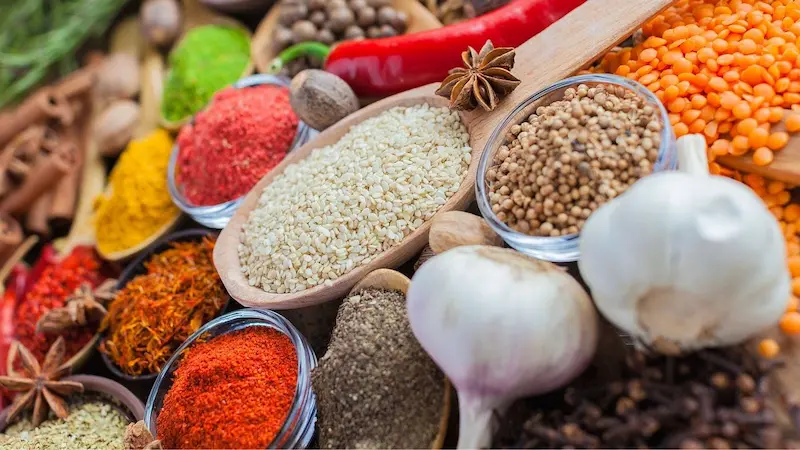
Processed and restaurant foods often include:
- Preservatives to extend shelf life
- Artificial flavors, colors, and enhancers
- High levels of sodium and sugar
Homemade recipes reduce your exposure to these substances, letting you enjoy clean, whole foods that provide natural nutrients. This leads to better digestion, improved immunity, and lower risk of chronic diseases.
6. Promotes Long-Term Health Benefits
Regularly preparing homemade meals has been associated with numerous health benefits, including:
- Weight management: Controlling ingredients and portions helps prevent overeating.
- Heart health: Reduced sodium and unhealthy fats support healthy blood pressure and cholesterol levels.
- Better digestion: Whole foods rich in fiber improve gut health and prevent constipation.
- Stronger immunity: Fresh fruits, vegetables, and proteins provide vitamins and minerals that support your body.
- Enhanced mental health: Preparing meals at home can reduce stress and create a sense of accomplishment and mindfulness.
Even small changes—like making your own salad dressings, soups, or snacks—can accumulate into significant health improvements over time.
7. Financial and Lifestyle Advantages
Beyond health, cooking at home also benefits your wallet and lifestyle:
- Cost-effective: Buying raw ingredients and cooking at home is generally cheaper than eating out.
- Mindful eating: Cooking encourages you to think about what you’re consuming.
- Family involvement: Preparing meals at home can be a fun, bonding activity with family or friends.
- Sustainability: Homemade meals reduce packaging waste, supporting a more environmentally friendly lifestyle.
8. Satisfaction and Mindful Eating
There’s something incredibly rewarding about creating a meal from scratch. Cooking at home:
- Gives you a sense of accomplishment.
- Encourages mindfulness about your food choices.
- Helps develop a deeper appreciation for ingredients and flavors.
This emotional and psychological benefit contributes to a healthier relationship with food, reducing stress-related eating and promoting overall well-being.
FAQs About Why Homemade Recipes Are Healthier
Q1. Why are homemade recipes healthier than restaurant meals?
Homemade recipes allow you to control ingredients, reduce unhealthy fats, added sugar, sodium, and preservatives, making meals more nutritious.
Q2. How do homemade meals support weight management?
You control portion sizes and ingredients, preventing overeating and helping maintain a balanced calorie intake.
Q3. Can homemade recipes improve heart health?
Yes! By using fresh vegetables, lean proteins, whole grains, and healthy fats, homemade meals reduce sodium and unhealthy fats, promoting heart health.
Q4. Are homemade recipes good for special diets?
Absolutely! You can customize meals for low-sodium, low-sugar, gluten-free, dairy-free, or high-protein diets.
Q5. Do homemade meals save money?
Yes, buying raw ingredients and cooking at home is often more cost-effective than eating out or buying ready-made meals.
Final Thoughts
So, why are homemade recipes healthier? Because they give you total control over your food—from ingredients and portion sizes to cooking methods and flavor. Homemade meals reduce unhealthy additives, promote balanced nutrition, and can be tailored to your specific dietary needs.
By cooking at home, you invest in your long-term health, save money, and enjoy meals that are fresh, flavorful, and perfectly suited to you. Even starting small, with one homemade meal a day or making simple swaps for snacks and sauces, can lead to better weight management, improved heart health, and overall wellness.
Homemade recipes aren’t just about eating—they’re about caring for your body, mind, and lifestyle. Start simple, use fresh ingredients, and enjoy the lasting benefits of meals made with intention and love.