
Pasta is one of those dishes that almost everyone loves—it’s cozy, satisfying, and versatile. But let’s be honest, traditional pasta dishes can sometimes be heavy, carb-loaded, and not the best choice if you’re aiming for a healthier lifestyle.
The great news? You don’t need to give up pasta at all. Instead, you can learn how to make healthy pasta by making a few smart swaps and tweaks.
Think of it this way: healthy pasta isn’t about restriction; it’s about balance. You’re still enjoying the flavors you love, but with ingredients that give your body more nourishment. Let’s dive into a step-by-step guide to creating pasta that’s both delicious and good for you.
Step 1: Pick a Nutritious Pasta Base

The type of pasta you choose sets the foundation for your dish. Traditional white pasta is tasty, but it’s refined and doesn’t offer much in terms of nutrients. If you want your pasta to be healthier, try these options:
- Whole Wheat Pasta: Contains more fiber than regular pasta, which means it helps keep you full longer and supports better digestion.
- Legume-Based Pasta: Made from chickpeas, lentils, or black beans, these varieties are higher in protein and fiber. They’re excellent if you’re cutting back on meat.
- Vegetable Pasta: Zoodles (zucchini noodles), carrot spirals, or spaghetti squash are light, nutrient-rich, and lower in carbs. They’re perfect if you’re looking for a veggie-heavy option.
- Gluten-Free Pasta: If you’re gluten-sensitive, brown rice or quinoa pasta is a fantastic substitute that still gives you that pasta texture.
👉 The key to how to make healthy pasta begins with choosing a base that gives you more than just carbs—it should also offer fiber, protein, or extra nutrients.
Step 2: Pile on the Vegetables
Here’s a golden rule: a healthy pasta dish should have more vegetables than noodles. Vegetables not only add color and flavor, but they also provide essential vitamins, minerals, and antioxidants. Plus, they keep the dish lighter and more filling.
Some tasty vegetables to add include:
- Leafy Greens: Spinach, kale, or arugula wilt beautifully into hot pasta.
- Roasted Veggies: Zucchini, eggplant, bell peppers, and cherry tomatoes add sweetness and texture.
- Mushrooms: A great way to bring in an earthy, umami flavor.
- Broccoli or Cauliflower: Steamed or roasted, these make your pasta heartier and nutrient-dense.
Pro tip: Sauté vegetables in olive oil and garlic before mixing them into your pasta. This brings out their flavor and creates a natural, light sauce.
You may also like to read these posts:
Quick Healthy Recipes for Busy Nights | Easy & Nutritious
Easy No-Cook Healthy Lunch Ideas | Quick & Nutritious
Why Homemade Recipes Are Healthier | Cook Smart & Eat Well
Best One-Pot Healthy Dinner Meals | Quick & Nutritious
Step 3: Add Lean Protein
Without protein, pasta can leave you feeling hungry a couple of hours later. Protein balances your meal, supports muscle health, and keeps you satisfied for longer.
Here are some healthy protein options to mix into your pasta:
- Chicken or Turkey: Grilled, shredded, or pan-seared, lean poultry is always a win.
- Seafood: Shrimp, salmon, or tuna are great choices that cook quickly and add heart-healthy omega-3s.
- Plant-Based Options: Chickpeas, lentils, black beans, or tofu add protein without meat.
- Eggs: A soft-boiled or poached egg on top of your pasta not only looks gourmet but also adds richness and protein.
Adding lean protein is a crucial step in how to make healthy pasta because it turns a carb-heavy dish into a balanced meal.
Step 4: Choose a Healthier Sauce
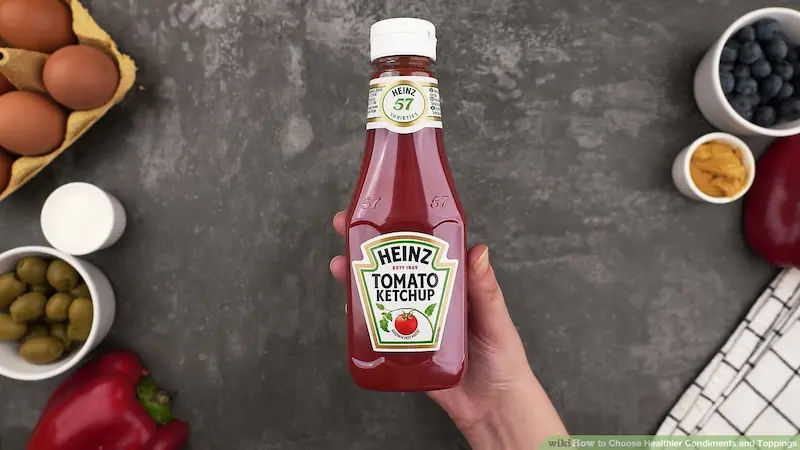
This is where most pasta dishes can become unhealthy. Creamy Alfredo or cheese-heavy sauces may taste amazing, but they pack in unnecessary calories and fats. Instead, go for sauces that are lighter but still bursting with flavor:
- Tomato-Based Sauces: Marinara or arrabbiata made with tomatoes, garlic, and herbs is light, tangy, and antioxidant-rich.
- Pesto: Made with fresh basil, olive oil, nuts, and Parmesan. It’s rich but can be used sparingly for bold flavor.
- Olive Oil & Lemon: A drizzle of good-quality olive oil, lemon juice, and a pinch of chili flakes creates a refreshing sauce alternative.
- Yogurt-Based Sauce: Greek yogurt mixed with herbs can mimic creaminess without the heavy calories.
When it comes to sauces, remember: less is more. Use just enough to coat the pasta and enhance the other ingredients rather than drowning them.
Step 5: Mind Your Portions
Even the healthiest pasta can become too much of a good thing if your portions are oversized. Here’s a simple trick:
- One serving of pasta is about 1 cup cooked (roughly the size of your fist).
- Fill the rest of your plate with vegetables and protein.
This balance ensures you’re enjoying your pasta without overloading on carbs.
Step 6: Smart Toppings and Flavor Boosters
The final touches can make your pasta healthier and even tastier. Instead of piling on heavy cheese, try these smart alternatives:
- Fresh Herbs: Basil, parsley, oregano, or cilantro add freshness without calories.
- Nuts & Seeds: Toasted pine nuts, sunflower seeds, or pumpkin seeds provide crunch and healthy fats.
- Light Cheese Sprinkle: A touch of Parmesan or feta goes a long way without overpowering the dish.
- Spices: Red pepper flakes, black pepper, or Italian seasoning bring extra depth of flavor.
These small additions keep your pasta vibrant and satisfying without turning it into a calorie bomb.
Extra Tips for Healthy Pasta Lovers
- Cook Pasta Al Dente: Slightly firm pasta has a lower glycemic index, meaning it digests slower and helps maintain stable blood sugar levels.
- Use Olive Oil Wisely: It’s heart-healthy but still calorie-dense, so drizzle lightly.
- Experiment with Grains: Try farro, barley, or bulgur instead of traditional pasta for unique textures and flavors.
- Make it Ahead: Healthy pasta dishes can be meal-prepped and stored in the fridge, making them perfect for quick weekday lunches.
FAQs
Q1. What is the healthiest type of pasta?
Whole wheat, chickpea, or lentil pasta are considered the healthiest because they are high in fiber and protein.
Q2. How can I make pasta more filling without adding calories?
Add plenty of vegetables and lean protein like chicken, shrimp, or beans. They add bulk and nutrients without extra calories.
Q3. Is pasta good for weight loss?
Yes, when eaten in moderation and paired with vegetables and protein. Whole grain or legume pasta is a better choice for weight loss.
Q4. What sauces are best for healthy pasta?
Tomato-based sauces, olive oil with herbs, or light pesto are healthier options compared to cream-based sauces.
Q5. How much pasta should I eat per serving?
One serving of cooked pasta is about one cup (the size of your fist). Fill the rest of your plate with vegetables and protein.
Final Thoughts
Learning how to make healthy pasta is all about balance. Swap refined pasta for whole grain or legume-based alternatives, pile on veggies, add lean protein, and top it off with a light, flavorful sauce. With these steps, you can enjoy pasta that’s not just delicious but also nourishing.
The best part? You don’t feel like you’re missing out on anything. Instead, you’re upgrading your pasta game to something that fuels your body while still satisfying your taste buds.
So next time you crave pasta, grab your favorite veggies, some protein, and a lighter sauce—you’ll have a wholesome, hearty dish in no time.